Ready to start dancing but not sure where to begin? It's often thought that the first decision is the style. It usually isn’t. The better first question is how you want to learn, because the right format can make a style feel approachable, while the wrong one can make even a simple class feel frustrating.
That’s why a practical guide to types of dancing lessons should cover both format and style. A private lesson feels completely different from a level-based group class. A wedding couple needs a different plan than someone who wants a fun weekly hobby. A parent choosing for a child should look for something different than an adult preparing for social dancing or competition.
The encouraging news is that there’s no single right path. Social partner dances remain the most popular lesson categories globally, with Swing at 72.9% and Latin at 69.8%, followed by Ballroom at 65.9%. That lines up with what works well in a real studio. These styles are versatile, social, and useful in everyday settings from parties to weddings to showcases.
At Danza Academy, the best results usually come from matching the lesson type to the goal, then choosing the style that fits your personality and music taste. If you want fun, confidence, and real progress, that order matters. Let’s find your first step.
1. Private One-on-One Ballroom Lessons
Private ballroom lessons are the fastest way to fix specific problems. If your posture collapses in Waltz, your frame drifts in Foxtrot, or you freeze every time the music starts, a private lesson lets the instructor catch it immediately and adjust it on the spot.
That’s why beginners often do well with this format, even if they’re nervous. Instead of trying to keep up with a room, you get clear coaching on timing, balance, foot placement, and partner connection. It’s also one of the best formats for couples who want focused attention without distractions.
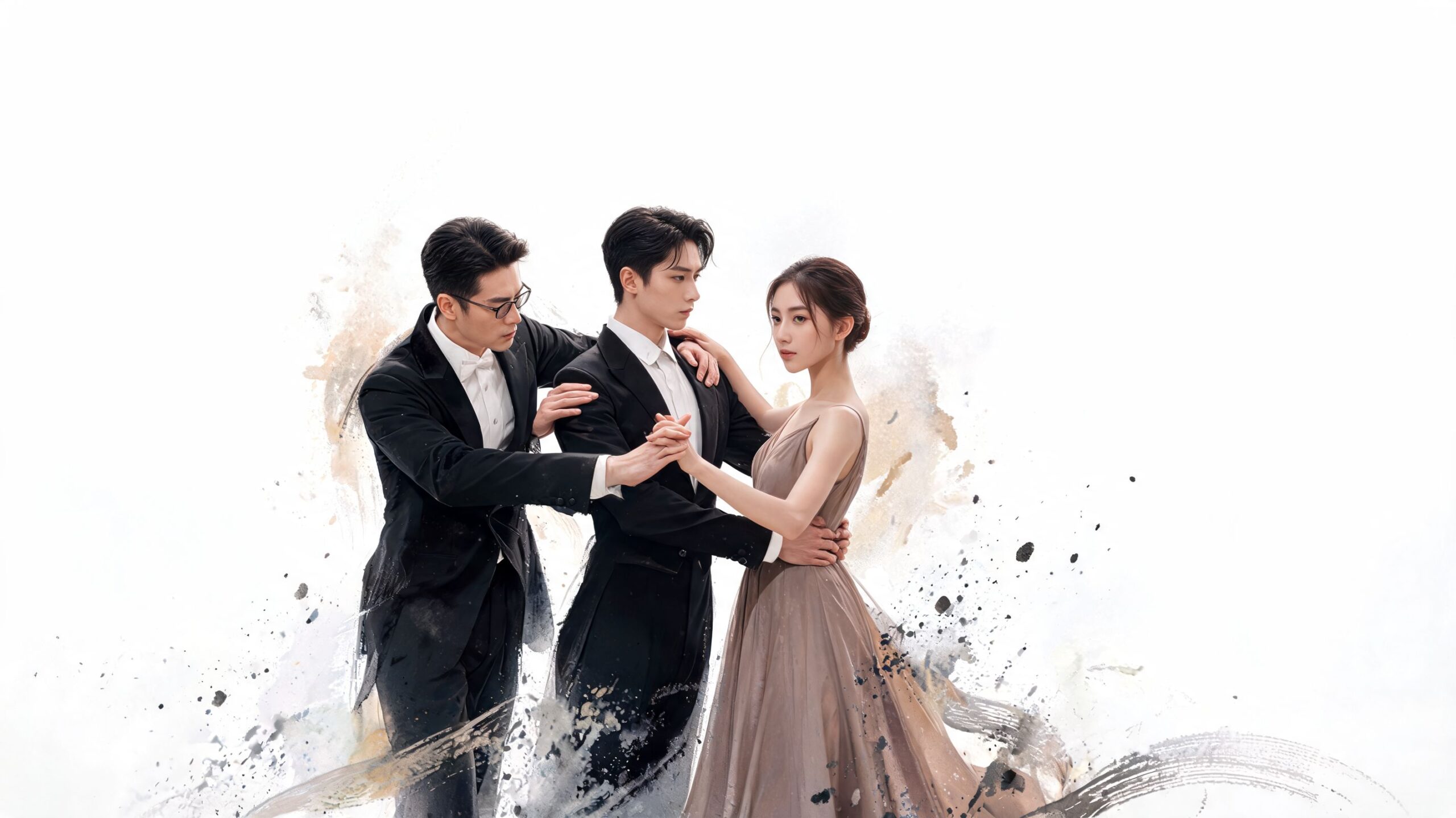
A good private program should feel personal, not random. At Danza Academy, students often use private dance lessons to build confidence in Waltz, Tango, Quickstep, and other ballroom staples before adding group classes.
When private lessons work best
Private instruction is a strong fit when the goal is specific and the timeline matters. That includes wedding preparation, competition, or wanting to feel comfortable at social events without taking months to settle in.
What doesn’t work is treating private lessons as magic. If a student takes one lesson, skips practice, and waits weeks before returning, progress stays slow.
- Set one clear goal: “I want to move confidently through a basic Waltz” works better than “I just want to get better.”
- Keep the schedule steady: Weekly lessons usually beat occasional marathon sessions because your body learns through repetition.
- Add home practice: Even a short run-through between lessons helps lock in timing and footwork.
Practical rule: Private lessons give you precision. They still need consistency to turn into confidence.
A real studio example is the adult beginner who wants elegant social dancing but feels intimidated by full group classes at first. In that case, a few private sessions can create the foundation that makes every later class easier.
2. Group Ballroom & Latin Classes
Group classes are where many dancers find their rhythm. They’re social, structured, and usually less intimidating than people expect once the music starts. If you want regular practice, variety, and a sense of community, this is one of the strongest types of dancing lessons to choose.
The key is starting at the correct level. Confident beginners often try to jump ahead, and that almost always backfires. The dancers who improve fastest are usually the ones who give themselves room to learn basics properly.
What group classes teach well
Level-based group classes shine when the material is designed around patterns, timing, floorcraft, and partner rotation. Ballroom and Latin classes are especially effective in this format because students can repeat core actions with multiple partners and hear common corrections in real time.
At Danza Academy, a beginner might take a Salsa class one night, a Waltz or Foxtrot class another, and gradually build comfort with both rhythm and partner communication. Rotating partners also helps students stop relying on one familiar person’s habits.
Here’s what tends to work:
- Start at beginner level: Even if you have natural rhythm, fundamentals matter.
- Show up consistently: Muscle memory builds from repetition, not from understanding the step once.
- Arrive a few minutes early: Meeting the instructor and other students lowers the awkwardness fast.
What doesn’t work is chasing novelty every week. If you switch styles constantly without repeating anything, you may have fun, but your basics stay shallow. Group classes are best when you revisit the same skills enough times for them to become automatic.
Some students think they need a partner before joining. In strong social dance programs, they don’t.
A common success pattern is simple. Take one or two regular group classes, then add occasional private coaching if a certain skill keeps slipping. That combination gives you both repetition and correction.
3. Wedding First Dance Choreography & Coaching
Wedding dance lessons aren’t about becoming competition dancers. They’re about looking comfortable, connected, and like yourselves. That sounds simple, but it takes planning. Couples who wait until the last minute usually end up choosing between stress and a very basic sway.
At the studio level, wedding coaching works best when the choreography fits the couple’s actual ability, the song, and the floor space they’ll have on the day. A polished basic Foxtrot can look far better than an overambitious routine that never settles into the music.
For couples who want dedicated support, first dance lessons near you give you a clear path from “we have no idea what we’re doing” to “we can walk onto the floor without panicking.”
Build the dance around the day
Choose the song early. Choose the style early. Then practice steadily.
A smooth first dance often uses simple actions done cleanly. Think walking turns, underarm turns, a dip that feels safe, or a classic closed-hold pattern that lets the couple breathe and enjoy the moment.
This video shows the kind of polished, approachable result many couples aim for:
A few practical choices make a huge difference:
- Match ambition to experience: Brand-new dancers usually do better with clean basics than with complicated tricks.
- Practice in the right shoes: Footwear changes balance, timing, and confidence.
- Film rehearsals: Watching yourselves once or twice can reveal spacing and timing issues quickly.
What doesn’t work is learning the routine by memory alone. The best wedding dances have structure, but they also feel relaxed enough to survive nerves, dress constraints, and a crowded floor.
4. Latin Dance Styles Group Classes
Want a class that feels social, athletic, and useful outside the studio? Latin group classes are often the fastest way to get there. At Danza Academy, they work well for adults who want real partner-dance skills, better rhythm, and a workout that does not feel like treadmill time.
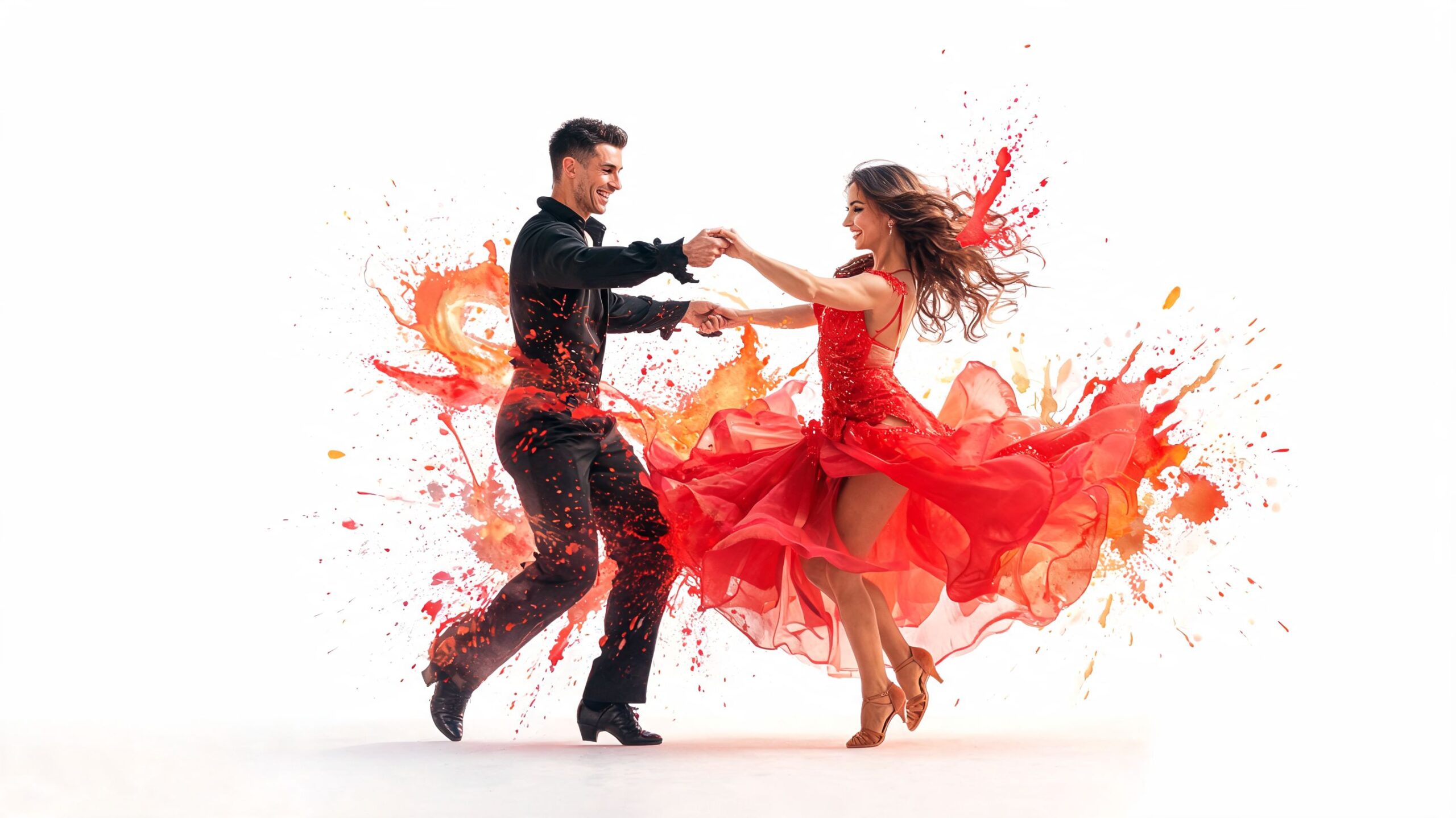
Latin is not one experience. Salsa usually gives beginners the quickest payoff because the beat is easier to hear and students can use it at parties and socials fairly soon. Cha-Cha asks for sharper timing and cleaner foot placement. Rumba slows everything down, which sounds easier until you realize slow dances expose every balance mistake. Samba is lively and fun, but it asks more from the legs, posture, and bounce action than new students expect.
That trade-off matters.
Students who want fitness and a fun night out usually start with Salsa or Cha-Cha. Students who want stronger technique for ballroom and Latin training often benefit from Rumba early, even if it feels less flashy at first. Students with competition goals need all of it eventually, but they still do better when they build one rhythm cleanly before adding three more.
Group classes also teach a skill private lessons cannot fully replace. Rotation. Dancing with different partners improves timing, lead-follow clarity, floor awareness, and adaptability. If a student only dances with one familiar partner, small habits can hide for months.
A practical approach works best:
- Start with one Latin style: Progress comes faster when you are not trying to memorize Salsa, Cha-Cha, Rumba, and Samba in the same week.
- Hear the beat before adding styling: Clean timing makes the dance look good. Extra arm action does not fix late weight changes.
- Use home practice for basics only: Ten focused minutes on core steps helps more than drilling a long class pattern from memory.
- Treat hip action as a result, not a goal: In good Latin technique, body action grows from settled weight and clear foot pressure.
One common mistake is chasing the look of Latin before learning how the feet work. I see this a lot with new students. They try to create exaggerated motion through the hips and shoulders, then lose timing, balance, and connection. Clean basics look better than forced styling every time.
For goal matching, Latin group classes sit in a very useful middle ground. They are more social than private coaching, more interactive than virtual lessons, and often more immediately energizing than standard ballroom classes for students who like upbeat music. If the goal is fitness, social confidence, or getting comfortable dancing with other people, this format is usually a strong choice.
5. Swing & Lindy Hop Social Dance Classes
Want a dance style that feels social from the first class, not just polished after months of training? Swing usually fits that goal well. It gives students room to interact, improvise, and enjoy the music without feeling locked into a formal presentation.
At Danza Academy, I often recommend Swing or Lindy Hop to students who want three things at once. Better fitness, stronger social confidence, and a style they can use at parties or community dances. For wedding couples, Swing can also be a smart choice if the song has a lively groove and they want a first dance that feels relaxed instead of theatrical.
The main trade-off is structure versus freedom. Ballroom tends to reward precision early. Swing rewards timing, connection, and musical feel, even while the shapes are still simple. That makes it fun quickly, but it also means beginners sometimes underestimate how much technique sits underneath the fun.
The trade-offs inside swing
East Coast Swing is the most approachable starting point for many adults. The rhythm is clear, the figures are easier to remember, and students can start dancing socially without a long runway. If the goal is general social dancing or adding variety to group classes, this is usually the cleanest entry point.
West Coast Swing asks for a different skill set. It uses smoother movement, more patience, and better control of timing changes. Students who like musical interpretation often love it, but it can frustrate dancers who want fast early progress.
Lindy Hop brings more bounce, more travel, and more athletic energy. It is a great fit for dancers who enjoy vintage music, jam-circle energy, and a more active social floor. It also asks more of the body, so students do better when they build rhythm and partner awareness before chasing flashy material.
Learn the pulse, the connection, and the basics first. The style opens up once those pieces are reliable.
Group classes work well for Swing because partner rotation exposes weak habits fast. Private lessons help if the goal is faster correction, wedding preparation, or sharper lead-follow mechanics. Virtual lessons can support home practice, but Swing improves most when students also get real floor time with other people.
A few habits make a big difference:
- Keep the rhythm steady: Rushed footwork breaks the partnership.
- Practice with different tempos: Swing should work to more than one favorite song.
- Use social dances as skill training: Floorcraft, recovery, and adaptability get better there.
- Choose the style that matches the goal: East Coast for easy social entry, West Coast for musical nuance, Lindy Hop for energetic community dancing.
Students with families sometimes discover Swing through youth-friendly studio events, then branch into dance classes for kids for their children while continuing adult social classes themselves.
If the goal is meeting people, getting moving, and learning a style that feels alive outside the studio, Swing and Lindy Hop are strong options. Book a group class if you want social experience right away. Book a private lesson if you want focused feedback and a faster start.
6. Kids' Dance Programs
Children need a different teaching approach than adults. They don’t learn best through long explanations or repeated correction. They learn through rhythm, repetition, structure, and a room that makes them feel safe enough to try.
That matters now because youth participation has dropped. National survey reporting summarized in this dance statistics overview showed 28.9% of children ages 11 to 15 and 24.6% of ages 5 to 10 participating in dance lessons in 2019/20, down from 53% for the older group in 2009/10. For families, that’s a reminder that good kids’ programs aren’t just extracurricular filler. They help children build coordination, confidence, focus, and comfort moving with others.
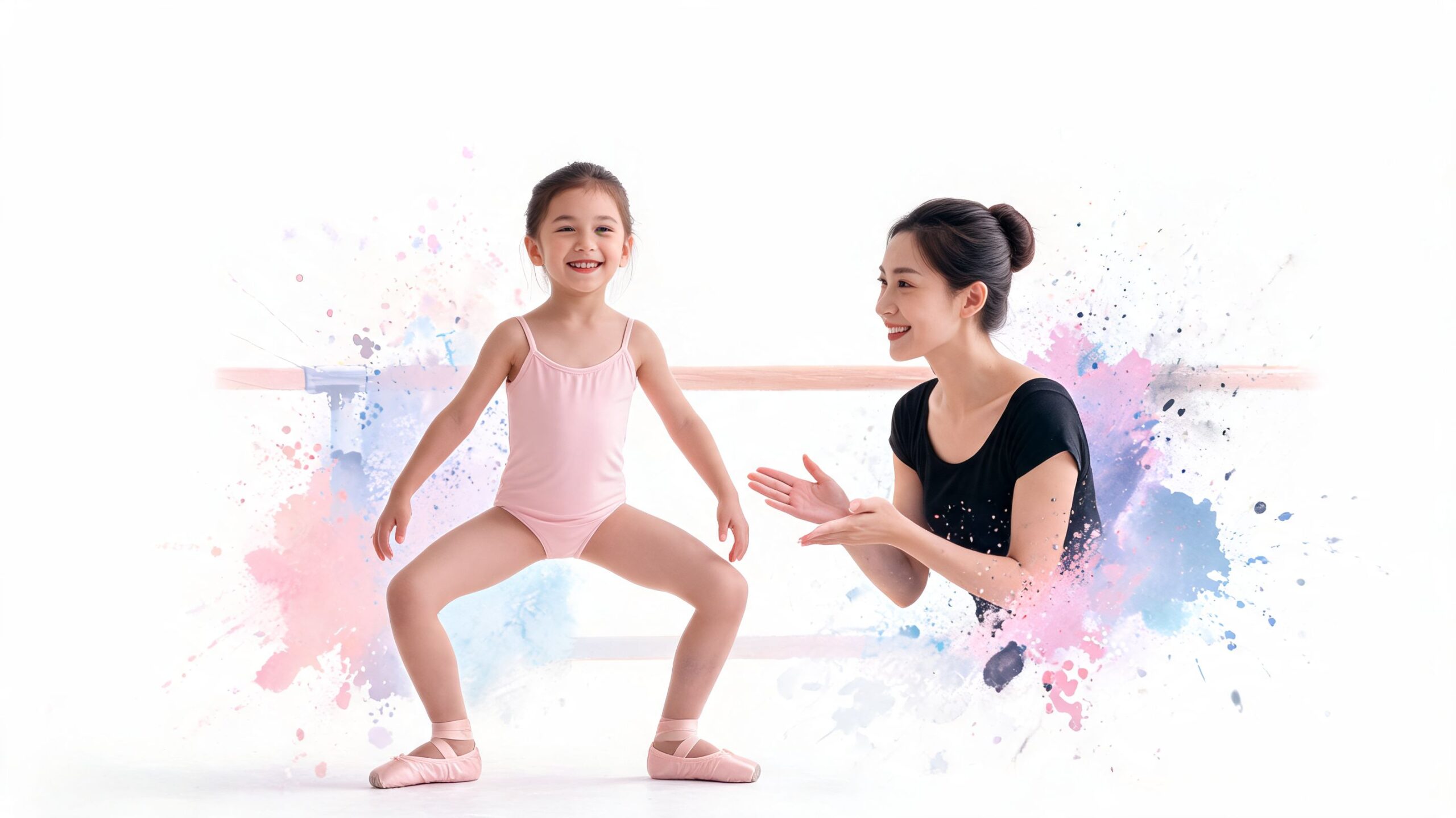
At Danza Academy, families exploring dance classes for kids usually do best when they choose a class for the child’s current stage, not the parent’s ideal future outcome.
What good kids' instruction looks like
Strong kids’ classes are organized, upbeat, and age-appropriate. Younger children need simple patterns, clear routines, and encouragement. Older kids can handle more technical structure and partner concepts when they’re introduced with patience.
A few signs the class is a good fit:
- The child leaves feeling successful: Confidence drives retention.
- The material matches attention span: Too much complexity too soon creates shutdown.
- The instructor communicates with parents clearly: Families should know what the child is building, not just what step was taught.
What doesn’t work is overscheduling. Kids need repetition, but they also need energy and interest. One steady class with room to enjoy it often beats a packed calendar.
7. Competitive Ballroom & Latin Training Programs
Competitive training changes the purpose of the lesson. In social classes, “good enough to enjoy the dance” may be the target. In competition, details matter. The line of the arm matters. The shape through the ribcage matters. The timing of a settled hip in Rumba matters. Tiny things become major things.
This format suits dancers who want structure, accountability, and long-term technical growth. It also suits students who like measurable goals, regular coaching, and performance pressure. It does not suit everyone, and that’s fine. Competition should sharpen motivation, not drain the joy out of dancing.
What serious training demands
A competitive program usually includes private lessons, coached rounds, technique classes, and independent practice. Ballroom and Latin remain a major growth area in the dance training market, with projections placing them at 22 to 28% of type-based market segmentation by 2030. That fits with these styles supporting social, recreational, and competitive pathways at once.
The challenge is commitment. Competitive dancers need consistency and resilience. You can’t build polished performance quality if training only happens when the week feels convenient.
What tends to work:
- Choose near-term goals: Start with one event or one routine, not an entire dream season in your head.
- Train fundamentals relentlessly: Posture, balance, timing, and floorcraft don’t stop mattering when choreography gets harder.
- Protect the body: Rest, cross-training, and sensible rehearsal planning matter.
What doesn’t work is comparing your day-to-day practice to someone else’s polished final performance. Competitive progress is technical, repetitive, and sometimes slow. The payoff comes from stacking disciplined habits over time.
8. Country Two-Step & Line Dancing Group Classes
Country classes are some of the most approachable lessons for adults who want social dancing without a formal atmosphere. The music is familiar, the energy is relaxed, and line dancing gives shy beginners a way to enter the room without partner pressure.
This format is especially useful for students who say, “I want to dance, but I don’t want to feel watched.” Line dancing lets them build timing and floor confidence first. Country Two-Step then adds partner movement in a way that usually feels practical rather than intimidating.
Who usually enjoys country classes
Adults who like community tend to do well here. So do students who want a fun night out more than a highly technical studio experience, at least at the beginning.
Country classes work best when students accept the social side of the room. They improve by joining in, repeating patterns, and not taking every mistake personally. Instructors can teach the pattern, but confidence grows when students dance it among other people.
Useful habits include:
- Start with line dance if you're partner-shy: It lowers the entry barrier.
- Learn both roles when possible: It improves flexibility and understanding.
- Go to real social venues once basics are stable: Country dance gets easier when it leaves the classroom.
What doesn’t work is over-correcting every detail. Country dancing should still feel like dancing. Clean basics matter, but if the room feels heavy and rigid, people stop coming back.
9. Virtual & Online Dance Lessons
Online lessons can work far better than skeptics expect, but only when the setup respects the limits of the format. A camera can show rhythm, foot placement, and coordination. It’s less effective for detailed frame correction, spatial feel with a partner, or subtle lead-follow pressure.
That doesn’t make virtual training second-rate. It makes it different. For busy professionals, frequent travelers, students with mobility constraints, or anyone rebuilding consistency, online coaching can keep momentum alive between in-studio sessions.
Best uses for online learning
Virtual lessons are strong for basics, review, drilling, solo movement, wedding prep touch-ups, and schedule flexibility. In the online dance training market, Ballroom and Latin under “Others” were projected to see 27% year-over-year hybrid model expansion through 2026, which reflects growing comfort with mixed in-person and virtual study.
The hybrid approach usually works best. Learn patterns and stay accountable online, then return in person for partnering details and floor movement.
To make virtual lessons useful:
- Set the camera to show the full body: If the feet disappear, the instructor loses critical information.
- Clear enough space to move safely: Tight spaces create short, timid movement.
- Use recordings wisely: Rewatching a correction once or twice can save a lot of confusion.
What doesn’t work is treating a virtual class like background entertainment. If the student isn’t fully engaged, online dance turns into passive watching very quickly.
10. Workshops, Specialty Intensives & Showcases
Workshops and showcases do something regular weekly classes often can’t. They create focus. A workshop can isolate one issue, like frame, spins, hip action, musicality, or social floorcraft, and give it concentrated attention. A showcase gives students a deadline, a reason to rehearse, and a moment to celebrate progress in public.
This category is one of the most useful types of dancing lessons for students who already have a base and want a push. It’s also excellent for people who stay more motivated when there’s an event on the calendar.
Why short intensives can unlock progress
A dancer may spend weeks circling around the same problem in class. Then a focused intensive breaks it open in an afternoon because the attention stays on one skill long enough for the body to understand it.
Workshops are where many dancers stop “collecting steps” and start fixing habits.
Showcases offer a different kind of growth. They teach projection, memory under pressure, entrances and exits, and how to recover when something goes off script. Those are performance skills, but they also improve social confidence.
What works best:
- Choose workshops tied to your current needs: Don’t sign up just because the title sounds impressive.
- Review material immediately after: Intensive learning fades fast if you never revisit it.
- Treat showcases like training: Rehearse with the same seriousness you want to display on stage.
What doesn’t work is replacing regular lessons with occasional special events. Workshops are supplements. They sharpen progress that already has a base.
10 Dance Lesson Types Compared
| Program | Implementation complexity | Resource requirements | Expected outcomes | Ideal use cases | Key advantages |
|---|---|---|---|---|---|
| Private One-on-One Ballroom Lessons | Medium, structured, individualized curriculum | High, instructor time, private studio, often partner; higher cost | Rapid technical improvement; targeted correction | Beginners needing foundations; competitors; wedding prep | Fastest progress; personalized feedback and goal tracking |
| Group Ballroom & Latin Classes (Level-Based) | Medium, progressive syllabus per level | Moderate, instructor to groups, scheduled classes, studio space | Steady skill building and social practice | Budget-conscious beginners; social dancers; regular learners | Affordable, community-driven, consistent schedule |
| Wedding First Dance Choreography & Coaching | Low–Medium, song-specific choreography | Focused, concentrated instructor time for both partners; rehearsal time | Polished, photo/video-ready first-dance performance | Engaged couples with limited prep time | Memorable, confidence-building, tailored to song/style |
| Latin Dance Styles (Salsa, Cha‑Cha, Rumba, Samba) Group Classes | Medium, emphasis on rhythm and styling | Moderate, energetic instructors, music, social practice venues | Improved rhythm, styling, and cardio fitness | Fitness-focused social dancers; cultural immersion seekers | High-energy, culturally rich, strong social scene |
| Swing & Lindy Hop Social Dance Classes | Medium, improvisation focus; aerials add complexity | Moderate, partner practice, socials, skilled instructors | Enhanced musicality, improvisation, partner connection | Social dancers wanting playful, improvisational styles | Fun/playful atmosphere; strong community and musicality |
| Kids' Dance Programs (Coordination, Confidence, Rhythm) | Low, age-appropriate, game-based curriculum | Moderate, small classes, child-focused instructors, safe space | Improved coordination, confidence, focus, posture | Children (ages 4–12); parents seeking developmental activities | Developmental benefits; supportive, confidence-building environment |
| Competitive Ballroom & Latin Training Programs | High, intensive, multi-faceted training | Very high, many weekly hours, private coaching, travel, competition costs | Championship-level technique and competitive readiness | Dedicated competitors and aspiring professionals | Expert coaching, measurable progression, performance opportunities |
| Country Two‑Step & Line Dancing Group Classes | Low, simple repeatable patterns and formats | Low, basic music setup, venue-friendly | Quick social competence; easy-to-apply partner skills | Absolute beginners; country music fans; casual social dancers | Extremely beginner-friendly, inclusive, low barrier to entry |
| Virtual & Online Dance Lessons | Low–Medium, tech-enabled instruction | Low, internet, camera, adequate space; occasional hybrid in-studio | Flexible learning, technique reinforcement, recorded review | Busy professionals, remote learners, mobility-limited | Maximum convenience, lower cost, recorded access for review |
| Workshops, Specialty Intensives & Showcases | Variable, topic-driven short format | Moderate, guest experts, short time commitment, production for showcases | Focused skill boosts and live performance experience | Experienced students seeking depth; those short on time | Access to experts, condensed learning, performance motivation |
Your First Step Starts Here
What kind of dance lesson will help you reach your goal?
The right choice depends on what you want from dancing and how you learn best. A student training for a wedding usually needs a different plan than someone who wants a fun weekly fitness habit. A child starting out needs a different structure than an adult preparing for competition. At Danza Academy, we help students sort that out every day by matching the lesson format and dance style to a clear goal.
Private lessons work well for students who want fast feedback, specific corrections, and steady progress. Group classes fit dancers who learn through repetition, enjoy a social room, and want a lower-cost way to build consistency. Virtual lessons help busy professionals, remote students, and anyone who wants to keep practicing between studio visits. For many people, the strongest plan uses more than one format.
That mix matters in practice. A dancer might use private coaching to clean up footwork, a group class to repeat patterns with other partners, and a social dance or showcase to apply those skills in a live setting. I have seen that combination help students build confidence faster because each format solves a different problem.
Ballroom, Latin, and Swing remain strong starting points for adults because they give students usable partner skills, clear structure, and room to grow from beginner basics into social dancing or performance work. If your goal is fitness, Latin group classes may keep you moving more. If your goal is a polished wedding dance, private ballroom coaching usually gives you more control. If your goal is competition, you will almost always need a mix of private instruction, group drills, and guided practice.
Good teaching also means meeting students where they are. Many adults walk in looking for connection, routine, confidence, or a comfortable social outlet, not just steps. Accessibility matters too, especially for students managing injuries, medical conditions, or mobility limits, and the broader conversation around inclusive instruction continues to grow, as discussed in this overview of adaptive and inclusive dance education.
At Danza Academy of Social Dance in Center City Philadelphia and Exton, students can explore private lessons, group classes, wedding coaching, kids' programs, competition training, and online options in a welcoming studio shaped by more than 40 years of teaching experience. If you are unsure where to start, begin with one conversation and one lesson. You can book a free complimentary lesson through Danza Academy’s contact page and get practical guidance based on your goals, schedule, and comfort level.
Book your free complimentary lesson with Danza Academy of Social Dance. It’s an easy way to find out whether private coaching, group classes, wedding dance preparation, kids’ instruction, or a hybrid format fits you best.