
You're probably doing what most families do when they look up a local dance studio. You open the website, check the class list, look for the address, and then start hunting for the details that affect your decision. What ages are served? How big are the classes? What happens if your child wants more than one class a week? Who teaches beginners? How much does it cost?
That's where a lot of parents in Clinton Township get stuck with Manda's Rhythm and Dance. The studio clearly has a local presence and a recognizable brand. But when you move from “this looks nice” to “is this the right fit for my family,” some of the most practical questions become harder to answer.
Welcome to Manda's Rhythm and Dance
Manda's Rhythm & Dance, often shortened to MRD, is a familiar name for families around Clinton Township. The studio is located at 35769 Moravian, Clinton Township, MI 48035, and it serves Clinton Township, Harrison Township, Fraser, Warren, Sterling Heights, and Macomb, according to its recital page and official website. That matters because local studios aren't just businesses. They become part of a family's weekly routine.
If you live nearby, the appeal is easy to understand. Parents usually want a place that feels organized, welcoming, and close enough that getting to class doesn't become a second job. MRD presents itself as a family-friendly, fun dance environment with professional teachers and a warm, caring atmosphere. For many households, that's the first filter.
What local families usually want to know first
Before comparing class options, most parents want three basics:
- Location convenience: Can you get there easily from school, work, or home?
- Studio culture: Does the environment feel kind, upbeat, and appropriate for children?
- Program range: Is there room to grow if a student starts casually and becomes more serious?
MRD checks those first-lookup boxes well. It has a defined service area instead of a vague “we serve Metro Detroit” message, which makes it easier for nearby families to identify it as a realistic option.
Practical rule: A dance studio should fit your calendar as much as your child's interests. A great class that's too hard to reach often turns into a short-term commitment.
There's also a broader footprint behind the local brand. MRD operates from its main Clinton Township location and also has a second campus in Texas. For some parents, that suggests a studio structure that's more established than a single-room neighborhood operation.
Still, a warm first impression is only the beginning. Once a family knows where a studio is and what kind of atmosphere it promises, the next question is simple. What can you study there?
Exploring the Dance Styles and Programs
When parents hear “dance studio,” they often picture one or two styles. Manda's Rhythm & Dance offers a wider mix than that. Its class offerings include 12+ dance disciplines, with examples such as Tap, Ballet, Jazz, Acro, Tumbling, and Music, listed on the studio's classes page. That variety gives families room to match a class to a child's age, energy level, and attention span.

How to think about the program mix
A broad dance menu only helps if you know what each type of class tends to do for a student. Here's a simple way to sort it out.
| Program type | What families often look for |
|---|---|
| Ballet | Structure, posture, foundational technique |
| Tap | Rhythm, listening skills, timing |
| Jazz | Energy, performance quality, expressive movement |
| Acro and tumbling | Strength, flexibility, body control |
| Music and early movement | Introductory coordination and comfort in class |
MRD also describes its curriculum as age-appropriate, which is an important phrase for beginners. A preschooler needs a different pace, teaching style, and expectation level than an older child. Good studios separate those needs instead of teaching every beginner the same way.
What progression looks like
Many families don't know whether their child wants a recreational experience or a performance path yet. That's normal. A smart studio structure leaves room for both.
MRD appears to do that through its regular classes and its MRD Crews, which are described as no-pressure, performance-based groups that take part in local events through the studio's Instagram presence. For a student who starts with one weekly class and later wants more stage experience, that kind of team can become a natural next step.
Some students need a low-key class where they can build confidence slowly. Others want the excitement of rehearsing for events. A strong studio gives both types of dancers a place to belong.
Another practical point matters here. The studio documents class sizes of 18 to 24 students per session on its class information, which gives you a sense of the room dynamic. That size can work well for children who learn by watching peers and enjoying a group atmosphere. It also helps parents set expectations about how individualized each class may feel.
If you're trying to decide whether this range is useful for your child, ask a simple question. Does your child need one clear focus right away, or would they benefit from trying a few different movement styles before settling in? Studios with broader offerings tend to help undecided beginners more.
Who Benefits from Dancing at MRD
Some studios are best for highly competitive dancers. Some are strongest for social adults. Manda's Rhythm and Dance seems most clearly positioned for families, children, and students who want a supportive community-based setting.
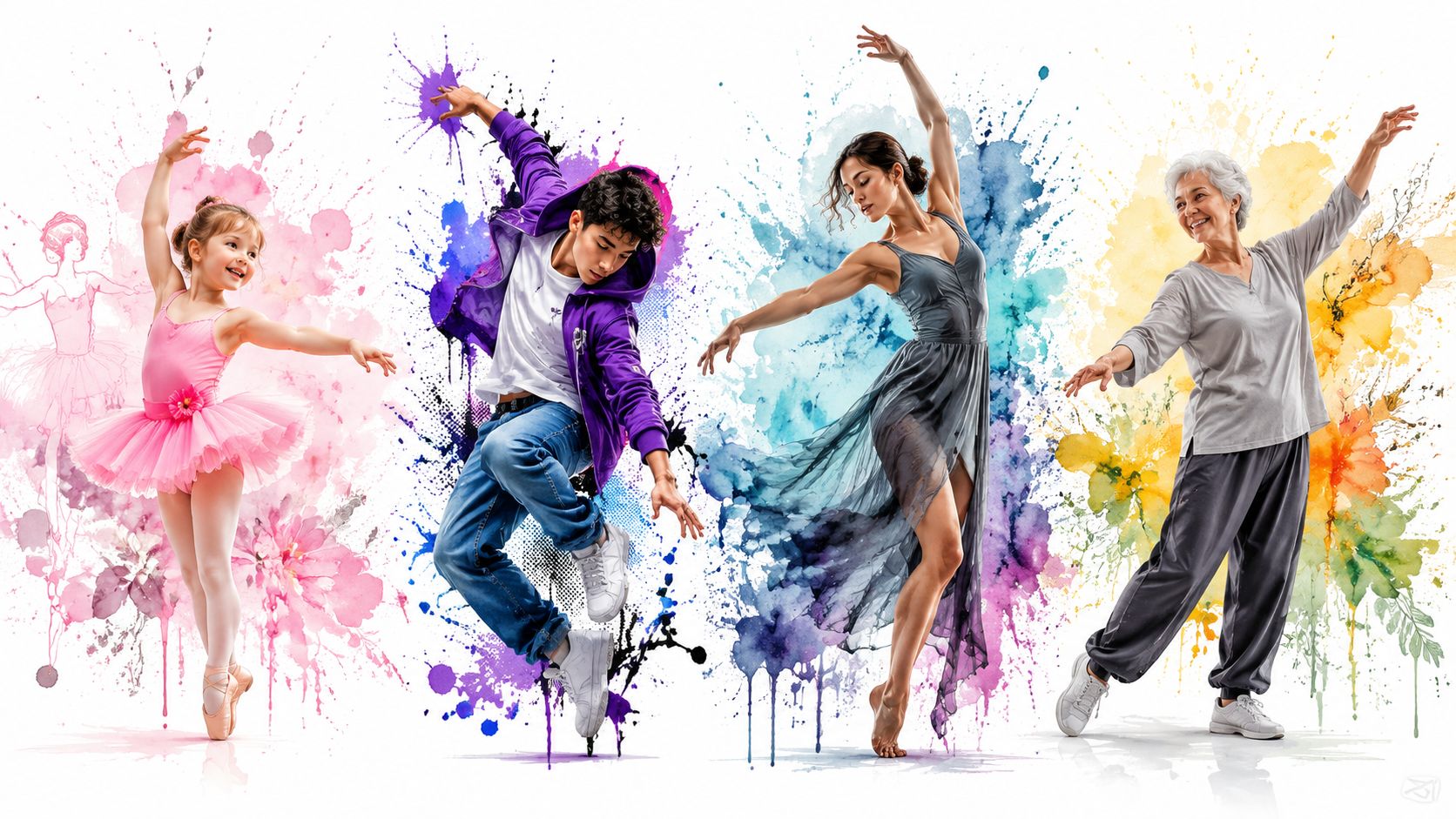
The studio identifies itself as a family-friendly, fun dance environment in Clinton Township, serving nearby communities including Clinton Township, Harrison Township, Fraser, Warren, Sterling Heights, Macomb, and surrounding areas through its official website. That tells you who the studio is talking to. It isn't presenting itself as an elite-only training center. It's presenting itself as a place where children and families can feel comfortable walking in.
Young children who need a gentle start
For a younger child, the biggest hurdle often isn't technique. It's comfort. Can they separate from a parent smoothly? Can they follow simple directions in a group? Can they enjoy movement without feeling pressured?
A studio that emphasizes a warm and caring atmosphere usually appeals to families at this stage. Parents who are also interested in broader confidence-building movement may appreciate reading about the benefits of social dancing, especially if they're comparing dance with other after-school activities.
Students who like community as much as classwork
Not every dancer wants a hard-driving environment. Some children stay in dance because they like the routine, the friendships, and the sense of belonging. Yelp feedback mentioned in the verified data describes MRD with phrases like “great class sizes” and “fun families,” which supports the idea that the studio's social atmosphere matters to its audience.
That community feel tends to matter most for students who are shy at first. When the room feels friendly, they're more likely to keep showing up.
A short look at movement in action can help families picture that rhythm of class and performance:
Dancers who want to perform without heavy pressure
Performance opportunities can motivate students who need a goal beyond weekly attendance. MRD's performance teams give that option without framing it as an all-or-nothing commitment. That's useful for families who want a middle lane between purely recreational classes and an intensely competitive track.
A good fit isn't just about talent. It's about whether a student will keep learning, stay encouraged, and want to come back next week.
If your child lights up when there's a recital, a team event, or a chance to perform for the community, that kind of program structure may suit them well.
A Look Inside the MRD Experience
The day-to-day experience at a studio usually comes down to rhythm. Not musical rhythm. Family rhythm. You sign in, manage your account, track events, get your child into class, and repeat that process week after week. When the system is smooth, dance feels enjoyable. When the system is messy, even a good class can become frustrating.
MRD appears built with that practical side in mind. The studio operates a dual-studio model with its primary location in Clinton Township and a secondary campus in Willis, Texas, and it uses a proprietary MRD app for account management, class registration, and event scheduling through its Google Play app listing. For busy parents, that kind of digital access matters more than studios sometimes realize.
What a family might notice week to week
A parent's experience often includes these small but important touchpoints:
- Registration flow: Can you sign up without emailing back and forth?
- Account access: Can you review class information in one place?
- Event visibility: Are performances and studio happenings easy to track?
A dedicated app suggests MRD has thought through those basics. Even if the dancing is the main reason families enroll, convenience affects whether they stay organized and engaged.
What the class setting may feel like
MRD's documented class size, covered earlier, suggests classes are designed around a group-learning model rather than very small private-style instruction. That can create a lively room with shared energy, especially for children who enjoy following examples, repeating patterns, and learning as part of a group.
Here's one likely scenario. A parent registers through the app, gets a child ready after school, checks upcoming studio events, and arrives knowing the class is part of a larger, organized system. That doesn't tell you everything about teaching quality, but it does tell you something about how the operation is run.
Families often judge a studio twice. First by what happens in the classroom, then by how easy the studio makes everything around the classroom.
That practical layer can make a real difference over a full season, especially for households balancing school schedules, sports, siblings, and work.
Answering Your Key Questions Before Enrolling
Here, many parents pause. Manda's Rhythm and Dance provides enough information to show that it is active, family-oriented, and locally established. But some of the questions families care about most still aren't clearly answered in public-facing materials.

The instructor question
Parents often hear phrases like “professional teachers” or “warm teachers,” but that doesn't automatically tell them about credentials, certifications, training background, or teaching method. That gap matters. The verified data notes that a 2024 study by the American Dance Education Association found that 85% of prospective students prioritize instructor credentials and certification when choosing a studio.
That number explains why so many families ask follow-up questions before enrolling. They're not being picky. They're trying to understand who will be teaching their child and how those teachers approach beginners.
If you're comparing studios, ask questions like these:
- Teaching background: What experience do instructors have with children or first-time dancers?
- Instruction style: Is the class technique-focused, fun-focused, or a blend of both?
- Beginner support: How do teachers help students who are nervous, shy, or behind?
For adults starting from scratch, this same logic applies. A good primer on what that first step can look like is this guide to a beginner dance lesson.
The pricing question
Another common obstacle is cost clarity. The verified data states that people regularly ask about the cost structure for wedding first-dance packages and kids' programs, but clear fee schedules, session limits, and package inclusions aren't publicly detailed. That doesn't mean the pricing is unreasonable. It means families can't evaluate it easily before reaching out.
That creates friction. People compare dance studios the same way they compare music lessons, sports programs, or camps. They want to know what's included, whether there are extra event costs, and what kind of commitment they're making.
Clear pricing doesn't just help families budget. It helps them decide faster and with more confidence.
Why this matters in practice
A well-run studio can still lose families if practical details are hard to find. That's one reason many local businesses now invest in stronger systems for intake and sign-up. If you're curious how organizations streamline that side of things, this piece on managing event registrations for creators gives useful context for why transparent registration flows matter.
The key takeaway is simple. Before enrolling anywhere, don't stop at “the website looks nice.” Ask about teacher qualifications, teaching philosophy, tuition structure, costume or performance expectations, and how beginners are evaluated. Those answers tell you more than branding ever will.
Find a Dance Studio That Fits Your Family
The right dance studio isn't always the closest one or the one with the flashiest online presence. It's the one that gives your family enough clarity to make a smart decision. You should know who teaches, what students learn, how the program is structured, and what the financial commitment looks like before you commit your time and trust.
When those details are easy to find, families relax. They can focus on whether the environment feels right instead of chasing missing information. That's especially important for beginners, because uncertainty often keeps people from taking the first step at all.
What to look for before you choose
A helpful studio search usually comes down to a short checklist:
| Question | Why it matters |
|---|---|
| Are the instructors clearly introduced? | You want to know who is teaching and what they specialize in. |
| Is the curriculum explained in plain language? | Families need to understand what happens in class, not just the class name. |
| Are costs and expectations visible? | Transparency reduces hesitation and prevents surprises. |
| Is the process welcoming for beginners? | A strong first experience often decides whether a student continues. |
Studios that communicate clearly also tend to communicate consistently in other places, including video. If you're evaluating how dance businesses present themselves online, BlitzReels' comprehensive short-form content guide is a useful reference for understanding why clear, concise video content helps people decide faster.
You can also use a more complete framework when comparing options. This guide on how to choose a dance studio is a practical way to sort through priorities like atmosphere, teaching style, and overall fit.
If you're weighing Manda's Rhythm and Dance against other choices in the broader market, keep your standards high. A studio should make it easy to understand its value. Families shouldn't have to guess about basics that affect safety, trust, and long-term commitment.
If you want a studio experience with a clear, welcoming process, book a free complimentary lesson with Danza Academy of Social Dance. It's a simple, low-pressure way to meet the instructors, ask direct questions, and see whether the teaching style fits your goals. You can schedule your complimentary lesson through the Danza Academy contact page.