
You've rehearsed the counts, cleaned the costume, and told yourself you're ready. Then the music starts, the room gets quiet, and every tiny habit shows up at once, from how you hold your frame to how you recover when a turn lands a little late. Strong dance performance tips aren't about pretending nerves don't exist, they're about building a routine that lets technique, musicality, and confidence work together when the lights come on.
The best performers don't rely on talent alone. Recent dance psychology work on peak performance breaks elite experience into on-stage, pre-stage, and post-stage phases, which is a useful reminder that what happens before and after the spotlight matters just as much as what happens in it. Practical stage guidance also stresses details that separate polished dancing from rushed dancing, like starting phrases clearly, managing spacing, and not letting adrenaline make the music feel faster than it is. For dancers who want progress they can see, a simple session log helps, too, with notes on date, duration, class type, drills, what improved, what needs work, and any pain or fatigue. That kind of tracking turns guesswork into a pattern you can improve. For a broader teaching mindset, Coachful's elementary music guide is a useful reminder that rhythm awareness starts with structured learning, not luck.
1. Master Your Frame and Posture
A weak frame makes everything look smaller. A strong frame, by contrast, gives your partner clearer signals, gives your movement cleaner lines, and makes even simple choreography read with authority. In ballroom and Latin styles, posture isn't decorative. It affects balance, lead-follow clarity, hip action, and the impression you leave the second you take the floor.
The most reliable dancers train posture until it feels ordinary. That usually means stacking the body well from head through spine, keeping the core active, and avoiding the common habit of letting the shoulders drift forward as soon as fatigue sets in. The practical side matters, but so does the audience's eye. Clean posture makes Waltz look expansive, Tango look controlled, and Salsa look alert rather than loose. For technique work that supports this foundation, Danza Academy's Technique Dance Classes are a logical place to build better body habits.
Practical rule: if your posture changes when the music gets difficult, the audience notices it before you do.
A few habits make a difference fast:
- Check your shape in the mirror: Don't stare at your face. Watch your head, ribs, shoulders, and hips together.
- Strengthen the support muscles: Planks and Pilates-style work help dancers hold shape without visible strain.
- Use video feedback: A quick phone recording often reveals dropped ribs or collapsed shoulders that feel “fine” in the moment.
- Rehearse frame alone and with a partner: Independent control matters, because partner connection only works when you can support yourself first.
One controlled dance study found measurable improvements in single-leg balance, pirouette count, and strength measures, with results reported at p ≤ 0.01 and p ≤ 0.05, and trunk muscle thickness increased by 20.4% ± 21.8% under one condition and 41.6% ± 32.9% when dancers were instructed to activate the core. That kind of evidence backs what instructors see every day, better alignment and better control make better performance possible.
2. Develop Musicality and Beat Connection
Musicality is what keeps a routine from looking like exercise with a soundtrack. A dancer can know every step and still feel flat if the movement doesn't answer the phrasing, accents, and tempo changes in the music. The strongest performances feel like the dancer is listening in real time, not just counting in the background.
This matters in every style, but the expression looks different. A Rumba can breathe through slow phrasing, while a Quickstep needs lightness and lift that matches the energy in the music. A wedding couple often gets a stronger emotional reaction when the choreography lands on the song's emotional peaks, because the movement feels connected to the moment instead of pasted on top of it. If beat recognition is still shaky, Danza Academy's guide to finding the beat in music gives that skill a practical starting point.
A useful way to train musicality is to strip the dance down before adding style back in.
- Listen repeatedly before practice: The more familiar the song feels, the faster you'll catch cues in the room.
- Count phrases, not just beats: Knowing where the musical sentence starts and ends changes how you shape movement.
- Work with a metronome first: Slow, accurate timing beats rushing through the routine and hoping it lands.
- Watch skilled performers in your style: Notice where they pause, stretch, strike, or soften movement.
- Record and review: You'll hear and see exactly where your body matched the music and where it drifted away.
A lot of dancers make the mistake of moving harder when they should be moving smarter. Sometimes the strongest choice is to stay still for a beat, then hit the next accent with intention. Musicality isn't about doing more. It's about choosing the right moments to do less, then making the important moments unmistakable.
3. Perfect Your Lead and Follow Skills
A partner dance can fall apart in a single count if the lead is vague or the follow guesses too early. It can also come alive fast when both dancers feel timing, pressure, and response through the frame instead of trying to force the routine. That difference matters in social dancing, Salsa, Swing, West Coast Swing, ballroom, and wedding dances, where the partnership has to stay readable under pressure and still look relaxed.
The common error is treating lead and follow like memorized choreography. Real partner dancing asks for live adjustment. A lead that sends a signal too late, or a follow who moves before the signal arrives, breaks the conversation between bodies. Steady frame pressure, centered balance, and clear direction changes keep that conversation intact, even when the room is crowded or the couple feels nervous. Stanford's social-dance guidance also reinforces habits that help performance quality, such as staying aware of spacing, avoiding distracting movement when not dancing, not turning your back to the audience, and pausing briefly before the final performance to recall error-prone sections. Those habits fit ballroom, Latin, wedding dances, and social settings alike.
Clean partnership usually comes from a few habits practiced with care.
- Leads should prepare direction early: The body should signal the change before the turn begins, so the follow has time to respond cleanly.
- Follows should stay centered: If your weight drifts off your own feet, the response gets fuzzy and the connection feels heavier than it should.
- Both partners should practice alone first: Solo control makes shared movement clearer, because each dancer knows how their own body reacts.
- Use verbal feedback during practice: Calm notes in rehearsal prevent confusion later and make corrections easier to repeat.
- Rotate partners when possible: Different partners expose different habits, and that flexibility matters more than locking into one familiar pattern.
Pressure exposes weak connection quickly. Dancers often know the steps but stop listening through the frame once the music, the audience, or their own nerves start to take over. Keep the lead clear, keep the follow responsive, and keep both bodies grounded. That is what makes the dance feel shared instead of pushed.
If you want more practical guidance on partner awareness, Expressify AI's latest tips offer another useful reference point.
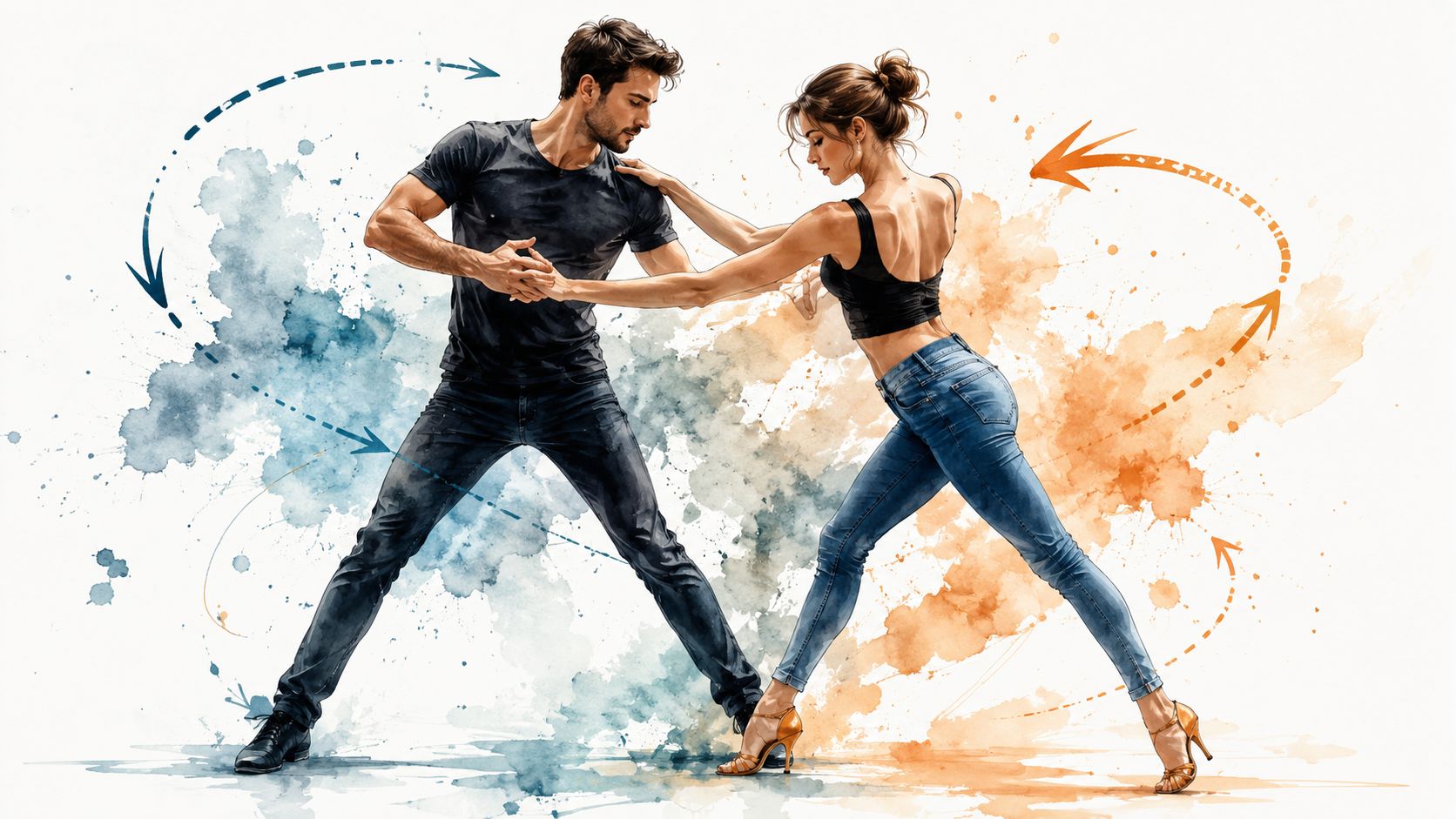
A strong visual reference for this kind of connection is below.
4. Use Proper Weight Transfer and Body Movement
Weight transfer is the engine behind clean dancing. If the weight doesn't fully move onto the standing leg, the next step looks uncertain, the hips lose clarity, and the body has to overcompensate. That's why dancers who focus on weight transfer often look more grounded and more effortless at the same time.
This is one of those technical details that changes everything without calling attention to itself. In Latin dancing, proper transfer supports the grounded, rhythmic look people expect. In Standard ballroom, it helps create the sweeping quality across the floor. In Salsa, it keeps quick footwork from turning heavy. In Swing and Hustle, it makes direction changes feel immediate instead of delayed. The controlled dance study noted earlier showed measurable improvements in balance and trunk strength, which matches what good teachers see in real classes, cleaner weight changes produce cleaner movement.
When weight stalls, the whole phrase starts to look late.
The best way to train it is slowly and carefully:
- Transfer one foot at a time: Don't rush into choreography before the transfer is stable.
- Push from the back foot: Reaching with the front foot often creates imbalance.
- Keep the core engaged: Your center has to travel with you.
- Try eyes-closed drills: They force kinesthetic awareness instead of visual guessing.
- Watch the beat on video: It's easier to spot whether the transfer arrives before, on, or after the musical accent.
A lot of dancers think body movement is mostly about shape, but it's really about how energy travels through the body. When the feet, legs, and core work together, hip action looks more natural, turns feel safer, and the upper body can stay expressive instead of tense. That's the difference between dancing on top of the music and fighting against it.
5. Build Confidence Through Deliberate Practice and Repetition
Confidence on stage doesn't come from hoping you'll remember everything. It comes from having done the work so thoroughly that your body trusts the material even when your nerves spike. That's why deliberate practice matters more than mindless repetition. Repeating a routine the wrong way just makes the mistake feel familiar.
The 2024 psychological research on dancers who reached peak performance is helpful here, because it shows that performance isn't only the final moment on stage. It includes what happens before and after, the mental setup, the rehearsal structure, and the way dancers evaluate their own work. That's also why a simple tracking system, with notes on date, duration, class type, drills, what improved, what needs work, and any pain or fatigue, is so useful. It gives you evidence that your confidence is growing, not just a feeling.
A practical confidence routine usually includes a few specific moves:
- Attack your weakest sections first: That's where confidence is earned.
- Practice in different environments: Empty studio, crowded studio, and any space with observers if possible.
- Run material at performance tempo: Slow practice helps, but stage speed exposes real issues.
- Use visualization daily: Mentally rehearse the clean version before you try it physically.
- Review dated videos: Seeing progress over time helps calm the voice that says nothing is improving.
There's a trade-off here. Repetition can create ease, but it can also create boredom if the dancer stops paying attention. Keep one section of each rehearsal focused and specific. When you know exactly what you're fixing, practice gets sharper, and confidence becomes earned rather than borrowed.
6. Master Styling and Body Movement to Enhance Performance
Styling is where the dancer's personality enters the room. Without it, choreography can look technically correct and still feel unfinished. With it, even simple steps can carry attitude, elegance, flirtation, or ease, depending on the style.
In Latin dance, styling may show up through hip action, arm use, body rolls, and the quality of the torso through movement. In ballroom, it often looks more restrained, with subtle refinements in shape, carriage, and line. The point is not to pile on decoration. The point is to choose movement qualities that fit the style and your body, so the audience can read intention instead of imitation. A well-styled dancer often holds attention longer than a technically busy dancer with no shape choices at all.
The best styling work is detailed and selective.
- Study the style, not just the steps: Watch how skilled dancers finish, shape, and connect phrases.
- Isolate body parts in rehearsal: Keep hips moving while ribs stay still, then reverse the exercise.
- Develop arm lines that feel natural: Forced hands and stiff wrists usually read immediately.
- Use mirrors with purpose: Check whether your body choices match the style you're dancing.
- Keep subtlety in play: A smaller, cleaner choice often looks more confident than an oversized one.
The old mistake is thinking styling means exaggeration. It doesn't. Good styling is usually controlled, musical, and repeatable. When it works, it supports the choreography instead of distracting from it. For many dancers, the biggest improvement comes from cleaning up the details that nobody notices individually, but everyone feels together.
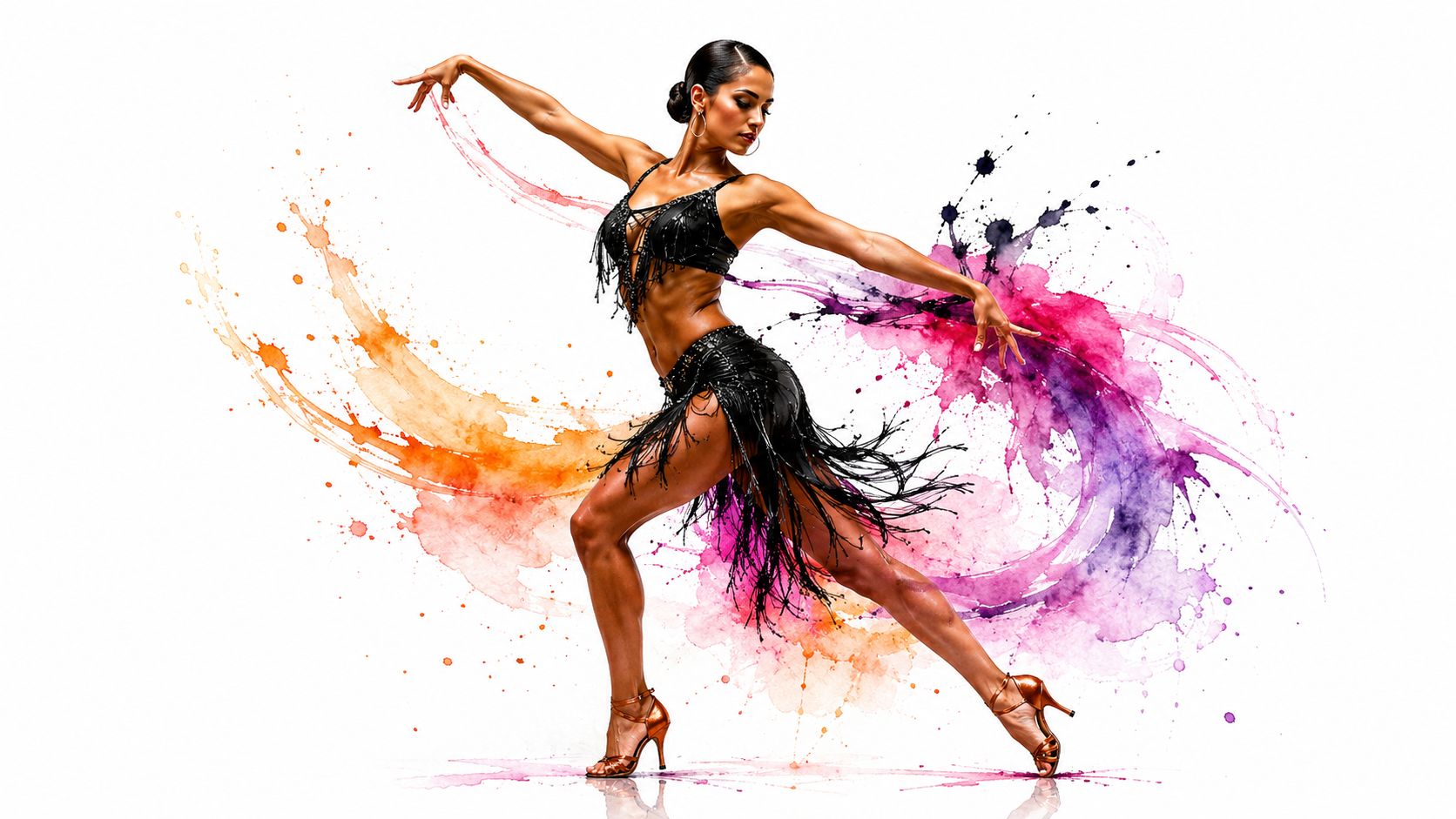
A useful demonstration of this idea appears in the image below.
7. Manage Performance Anxiety and Mental Preparation
Nerves are not a sign that you are unready. They usually mean the moment matters and your body is responding to that pressure. The job is to keep anxiety from taking over timing, memory, and expression. Dancers who look composed usually rely on a routine they trust before they ever step into the lights.
That routine matters because the mind works better with a familiar sequence. Performance guidance from Dance Informa focused on refining warm-up and energy-maintenance habits for on-camera work, while Turning Point Dance stressed segmented rehearsal, mental rehearsal, and pre-performance routines. The University of North Carolina School of the Arts also encourages dancers to worry less about perfection and focus more on enjoying the journey and sharing feelings with the audience. That is a healthier target than chasing flawlessness, especially when the pressure rises.
A strong mental prep routine should be simple enough to repeat under pressure.
- Use a repeatable pre-show sequence: Keep the same music, the same warm-up, and the same mental steps.
- Try 4-box breathing: Inhale for 4 counts, hold 4, exhale 4, hold 4.
- Build one clear affirmation: “I am prepared, capable, and enjoy performing this choreography.”
- Visualize the whole run: Hear the music, see the floor, and feel your confidence before you start.
- Create a reset cue: Use a breath, shoulder roll, or short focus phrase after a mistake.
- Use targeted support when anxiety feels bigger than normal nerves: If fear in public settings keeps interrupting your preparation, a resource like how to overcome social anxiety can help you separate performance nerves from a deeper pattern that needs more attention.
Suppression usually makes nerves feel louder. Naming them and redirecting them works better. A controlled routine beats last-minute reassurance because it gives your body something concrete to follow. You do not need to feel perfect to dance well. You need a process that keeps you present when your body wants to rush.
For dancers who want more help with public performance nerves, Danza Academy's guide on overcoming fear of dancing in public is a smart companion to this kind of mental training.
7-Point Dance Performance Comparison
| Skill / Focus | Implementation Complexity | Resource Requirements | Expected Outcomes | Ideal Use Cases | Key Advantages |
|---|---|---|---|---|---|
| Master Your Frame and Posture | Medium, requires technical alignment and strength training | Regular practice, core conditioning, mirror/instructor feedback | Improved lines, partner connection, injury prevention | Ballroom/Latin performance, competitions, wedding dances | Better stage presence, easier advanced technique, consistent execution |
| Develop Musicality and Beat Connection | Medium–High, ear training and interpretive skill | Listening practice, metronome, diverse music exposure, instructor guidance | Expressive performances, higher judging scores, easier memory of routines | Performance, choreography, musical theater, expressive styles | Stronger audience connection, creative interpretation |
| Perfect Your Lead and Follow Skills | High, timing, sensitivity and nonverbal communication | Partner practice, group classes, instructor feedback, varied partners | Reliable partnering, smooth improvisation, social dance readiness | Social dancing, Salsa, Swing, wedding dances, partnered competitions | Enables dancing with many partners, promotes spontaneity and flow |
| Use Proper Weight Transfer and Body Movement | High, retraining mechanics and coordination | Focused drills, strength work, video feedback, instructor correction | Improved balance, power, movement clarity, reduced injury risk | Latin for hip action, Standard floor coverage, quick directional changes | Efficient energy use, clearer technique, larger controlled movement |
| Build Confidence Through Deliberate Practice and Repetition | Medium, structured, sustained effort and feedback | Time investment, varied practice environments, recording/review | Automatic execution, consistency under pressure, improved memory | Competition prep, wedding rehearsals, any high-pressure performance | Genuine, reliable confidence and performance readiness |
| Master Styling and Body Movement to Enhance Performance | Medium, requires stylistic knowledge and nuance | Workshops, mirror work, video study, coach feedback | Increased entertainment value, personal expression, higher scores | Competitive Latin, social dancing, solo showcases | Distinctive presence, helps conceal minor technical flaws |
| Manage Performance Anxiety and Mental Preparation | Medium, personalized psychological techniques | Mental skills training, rehearsal under pressure, possible professional support | Reduced anxiety, steadier performances, fast recovery from mistakes | First-time performers, competitions, weddings, high-stress events | Transforms nervous energy into focus, improves composure and consistency |
Ready to Take Your Next Step?
Mastering dance performance is a journey of steady improvement, not a single breakthrough. When you strengthen your frame, connect to the music, sharpen lead and follow, clean up weight transfer, rehearse deliberately, refine styling, and manage nerves with a real plan, your dancing starts to feel more connected from the inside out. That's the value of dance performance tips, they help technique, artistry, confidence, and partnership work together instead of pulling in different directions.
The strongest performers don't wait to feel ready. They build routines that make readiness more likely. They know when to push, when to simplify, and when to trust the work they've already done. If you're dancing for social confidence, a wedding first dance, a studio showcase, or a competitive floor, those habits matter every time you step out there.
Danza Academy of Social Dance offers a practical place to work on that process with guidance across Ballroom, Latin, and social styles. If you want personal feedback on frame, musicality, partner connection, or performance confidence, the next move is simple. Book your free complimentary lesson today and start turning practice into presence.
If you want help applying these dance performance tips to your own dancing, visit Danza Academy of Social Dance and book a free complimentary lesson. The instructors can help you sharpen technique, build confidence, and prepare for performances with more control and clarity.